
Magic of I Review: Is the 2027 Planner Right for You?

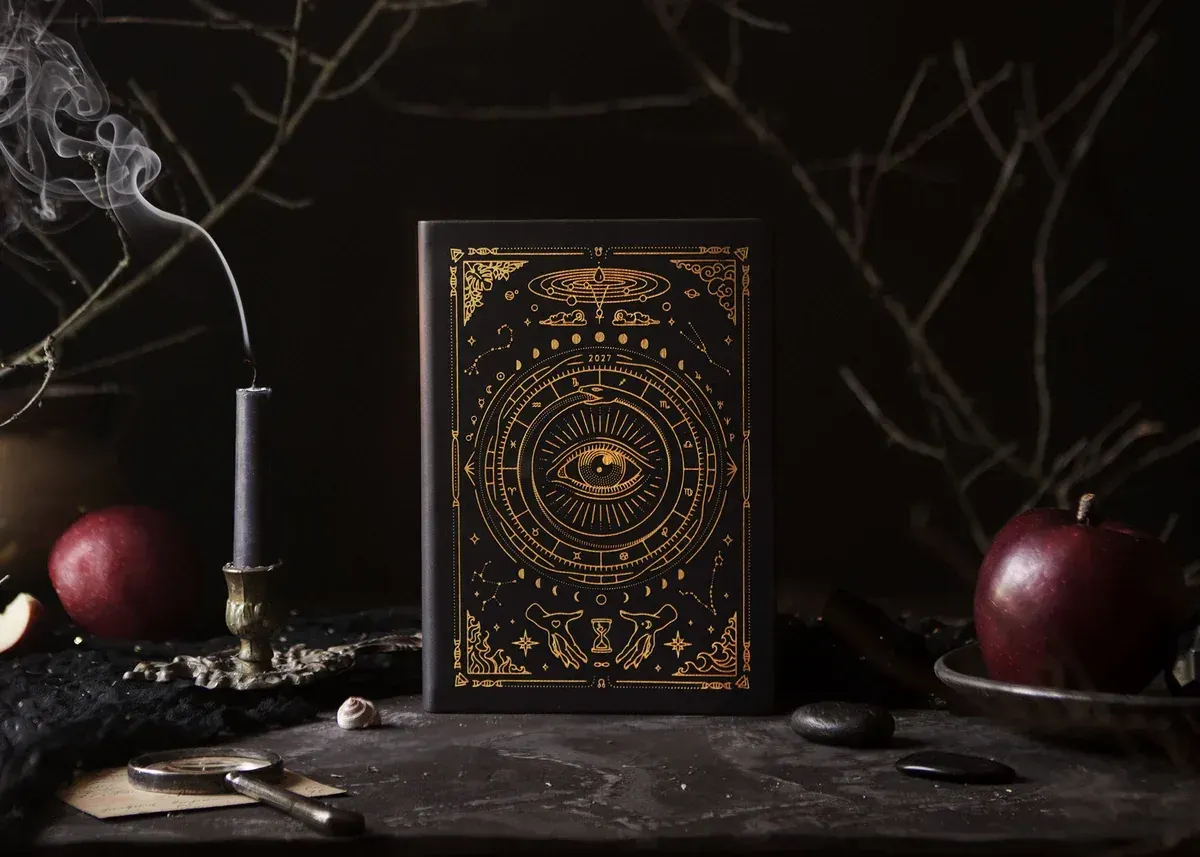
TL;DR: The Magic of I 2027 Astrological Planner costs $52 and fits the woman who wants astrology to inform her decisions rather than decorate them. It doesn’t fit anyone who needs a straight appointment book, and I’d rather say so now than take your click. This review is a fit test, not a verdict on whether the planner is good. Ready to roder already? The 2027 edition is here , and covers do sell out, so pick yours rather than waiting for the feeling to pass. Make sure to use code CELINENAVARRO for 10% off.
You open the planner on the 14th of January, and the last thing written in it is dated the 3rd. The book is still gorgeous, the paper is still smooth, and you’ve spent $52 on eleven days of good intentions. That’s not a quality problem. It’s a fit problem.
Every question I get about this planner is some version of the same one, and it’s never whether the thing is beautiful, because anyone can see that it is. I've been using this planner for over 6 years now and, each time, I've been wondering whether I'll be using it as I have so many planners each year (and use them all!). So this isn’t a feature tour. It’s a fit test, and I’d rather talk you out of $52 than watch you leave a beautiful book blank.
Why Planner Fit Matters More Than the Feature List
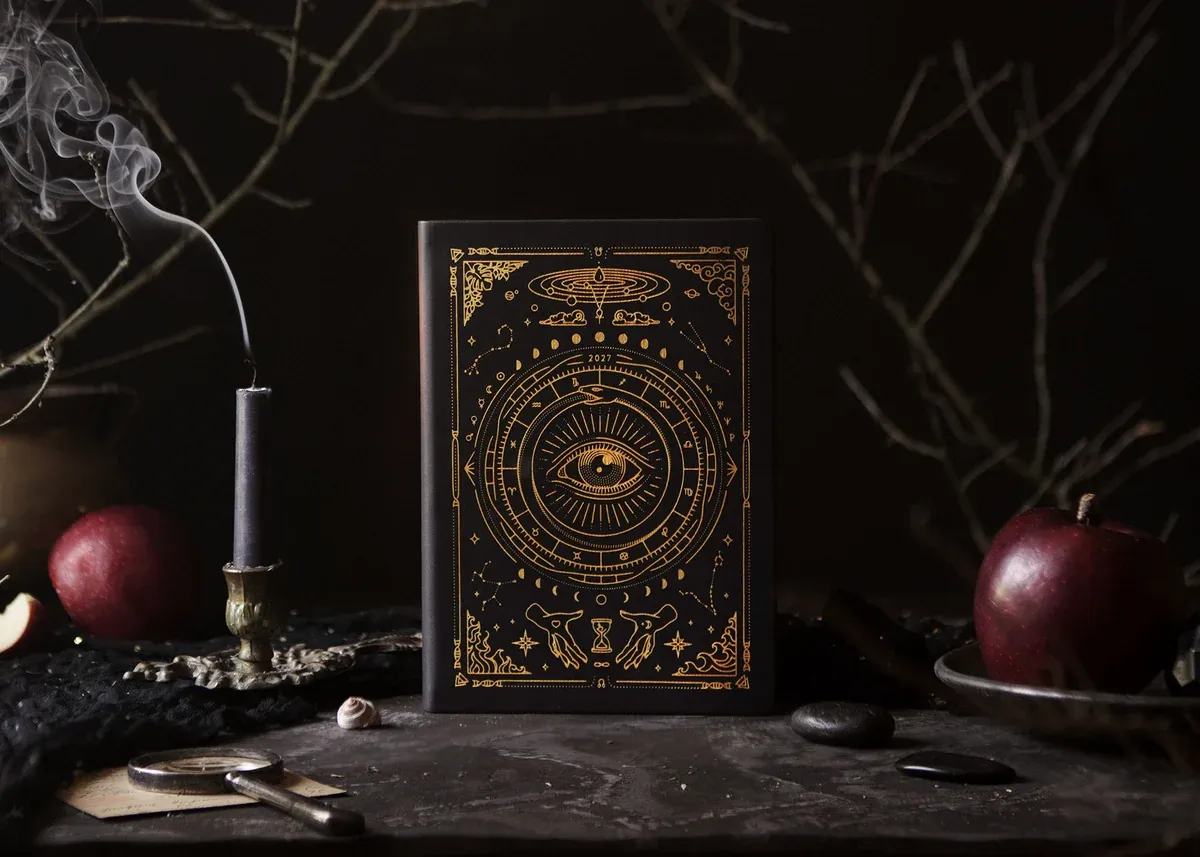
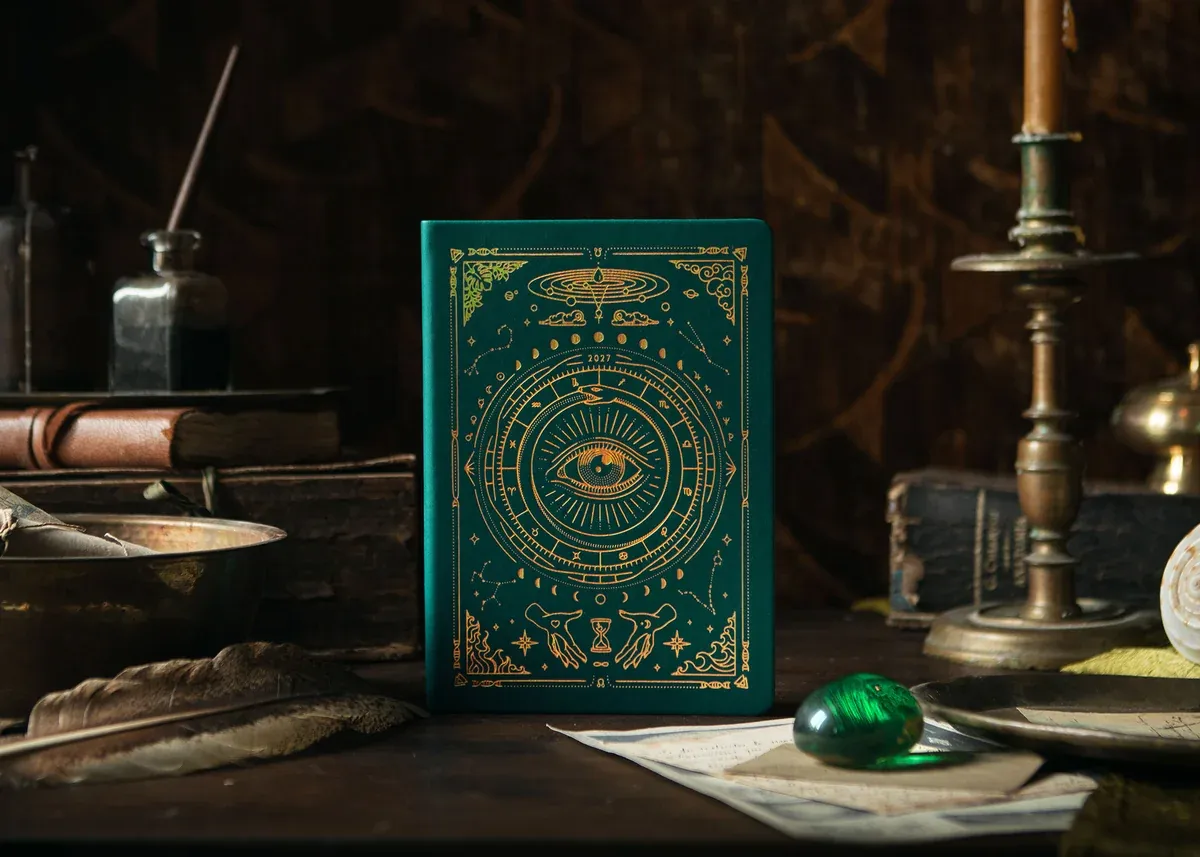
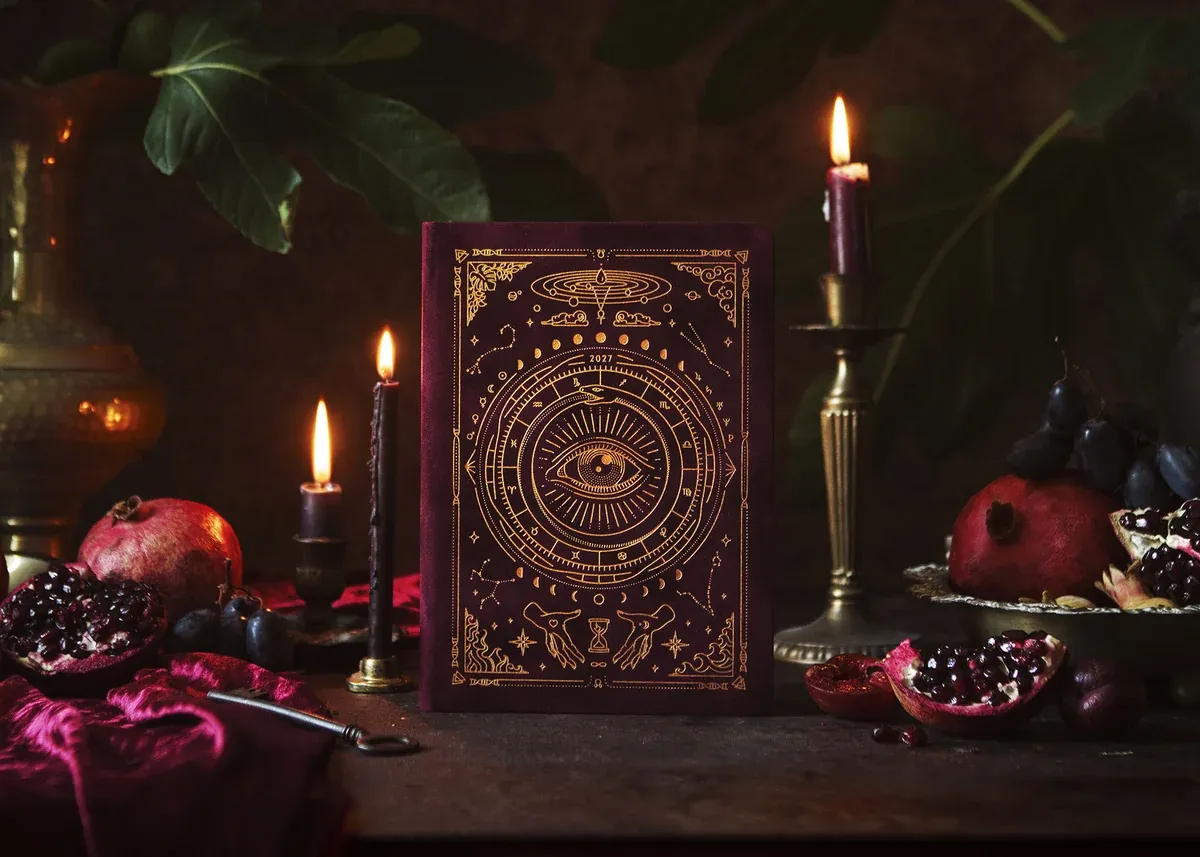
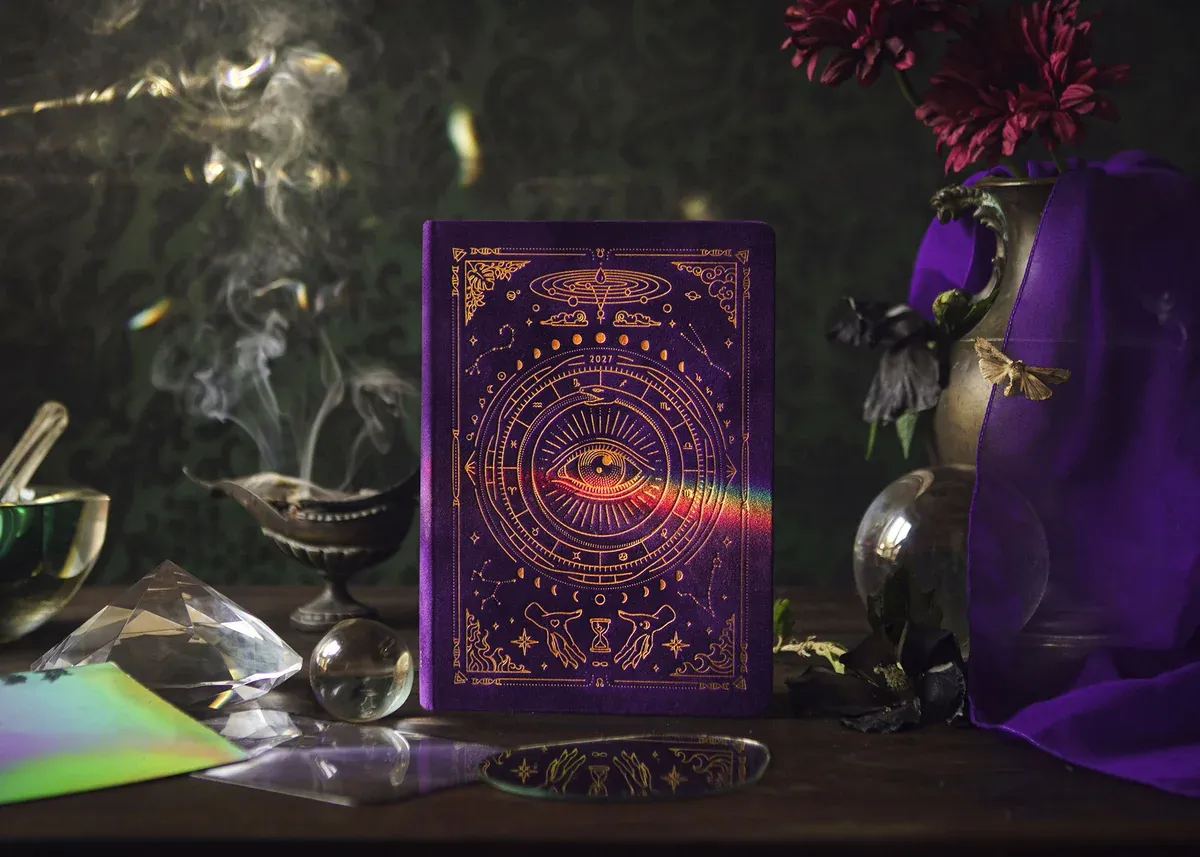
A feature list tells you what’s printed on the pages, and it can’t tell you whether you’ll open the book on an ordinary Tuesday in March, which is the only thing that decides whether the $52 was well spent. The 2027 edition runs 284 A5 pages and sells for $52, with a complete professional ephemeris, an aspectarian, menstrual cycle tracking, astro-mythology, a decan tarot wheel and daily energy summaries the brand calls the Optimum Times Life Guide, which is a plain note on each day telling you whether it suits acting, resting, creating or reflecting. All of that is real. None of it is an argument for you specifically.
Here’s what a wrong-fit planner actually costs, which is more than the sticker: the $52, the shipping, the fortnight you spent choosing between covers, the two January mornings you spent setting it up properly, and the quiet conclusion you draw afterwards that you’re the sort of person who doesn’t stick to planners. That last one is the expensive part, and it’s why I care about this question more than I care about the feature comparison. What the same book hands back when it does fit is narrower and better: one object where the calendar, the journalling and the intentions live together, so you stop running three systems that don’t talk to each other.
I once talked a friend into a beautiful undated planner when what she needed was dates, and she used it for a fortnight before going back to her phone.
So the question worth five minutes isn’t whether the Magic of I is a good planner. It’s whether it’s your planner.
Who the Magic of I Planner Fits Best
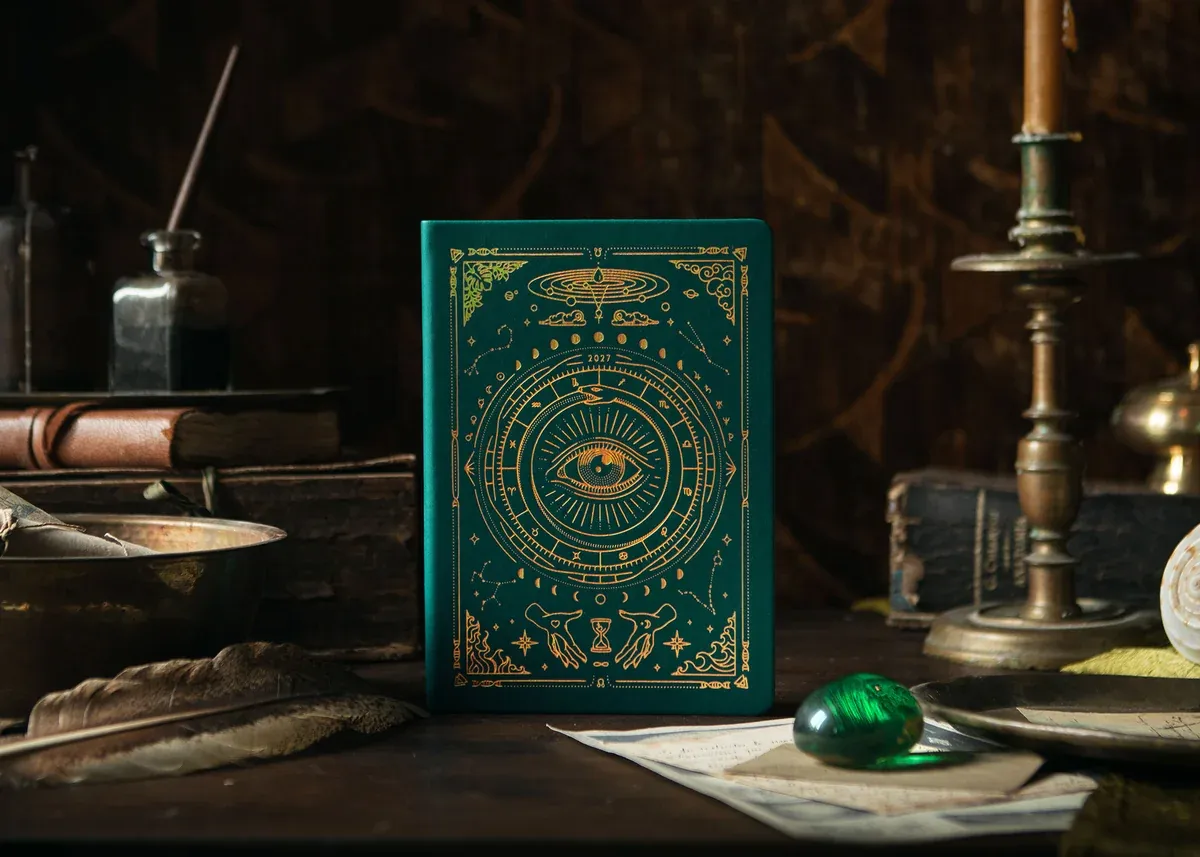
Three situations fit this planner well, and they overlap less than you’d expect. You don’t need to match all three, and matching one of them properly is enough.
The astro-curious learner. You want to understand astrology by living inside it for a year rather than sitting through a course. This is where the planner earns its price (and where I absolutely LOVE IT!), because the reference guides to the signs, planets, houses, decans and elements sit in the same book as the calendar, so you look things up in the moment you need them instead of promising yourself you’ll study later. You’ll grow into the aspects pages somewhere around June, and you won’t need them in January.
The scattered-ritual woman. Your new moon intentions are in one notebook, your goals are in an app, your journalling is somewhere else again, and none of it is anywhere useful when you want to look back at the year. The planner puts the monthly and weekly calendar, the new and full moon journalling pages and the intention setting into one object, which is the actual fix for that particular mess. And that's probably my favorite part of that planner. Each December, I set my intentions and goals at the beginning of the planner for the WHOLE following year. It takes me about a full day but you have NO idea how amazing that is! And so useful throughout the year. Really.
The practising astrologer. You want the professional data in the same book you write your week in: a complete ephemeris, an aspectarian, void moon times, ingresses, retrograde and direct dates. The detail worth knowing here is that it ships in three timezone editions matched to your delivery address, so the timings on your pages are true where you live instead of needing conversion every time.
You know I've been talking about this planner for years, on my other blog and even instagram, but a reader of mine emailed me in March this year to say she’d finally stopped keeping a separate moon journal, which is exactly what this planner is for. Hell yes! This is what this planner is a real must-have!

Who Should Skip the Magic of I Planner
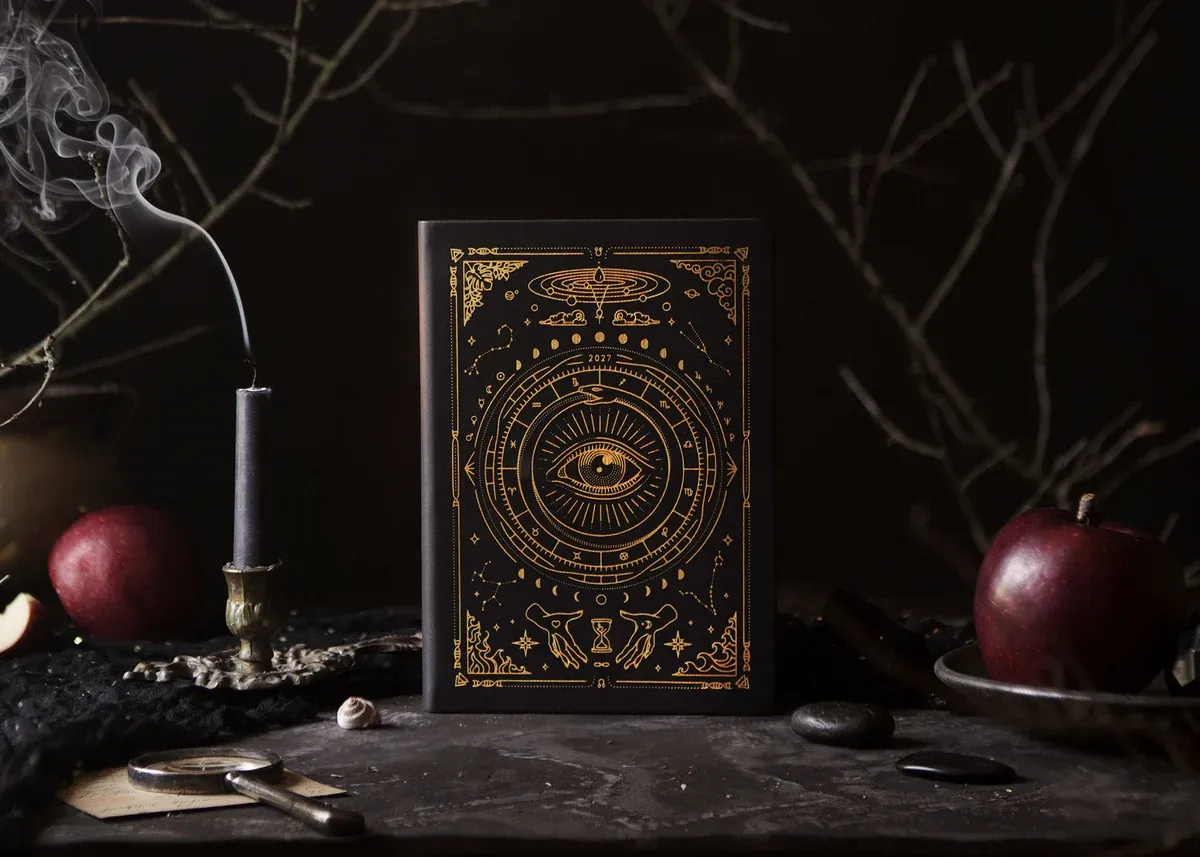
One reader should skip this outright, and it’s the woman who needs a straight appointment book. If what you want is school pickups, deadlines, client calls and a column you can scan on a Monday morning, then most of what you’re paying for is astrology reference you’ll never open, and a plain weekly planner at a fraction of the price does your job better. I’d rather send you to one than take the commission.
That’s the only profile I’ll rule out completely, because everything else is a matter of degree. But one limitation catches good-fit readers too, and it’s worth knowing before you order: the weekend spreads are compact. A buyer said so plainly in her review, wishing for more writing space at the weekend while being happy with the book otherwise. If you write lines, you’re fine. If you write pages, you’ll run out of room by February and resent a book you loved in January.
There’s a second thing I’d want told to me before ordering: each cover is printed once, with no reprints. That cuts both ways. The edition you want won’t wait while you decide, and the pressure you feel to decide quickly is real rather than manufactured, which is rarer than it sounds in this category.
The Five-Minute Fit Test Before You Buy
Two questions decide this, and you can answer both before your coffee goes cold. First, do you want astrology to inform your decisions or to decorate them? Second, do you already run your life from a calendar you trust?
Informing means you’d genuinely move a launch, a hard conversation or a rest day because of what the daily energy note says. Decorating means you like the moon phases on the page and your week happens the way it was always going to happen. Both are honest answers, and only one of them justifies $52.
Informs, and no calendar you trust. The strongest fit in the whole post. Buy it, and let it become the calendar rather than a supplement to one.
Informs, and a calendar you already trust. Buy it as the second book, for intentions, journalling and the monthly view, and leave your appointments where they already work. That’s a real use, as long as you go in knowing it. Or pick their journal version of the planner.
Decorates, and no calendar you trust. You’re borderline. Nothing is lost here and nothing is gained either, so let the intention setting pages decide it: commit to those and the book has a job.
Decorates, and a calendar you already trust. Skip it. Buy the wall calendar and put the $52 somewhere it’ll get used.
Four readers sit on the edge of that grid. If the aspects pages worry you, ask whether you can leave part of a book closed without deciding you failed at it, and if you can’t, start with the pocket edition instead. If you’re buying it as a gift, you can’t run this test on someone else’s behalf, so run the only proxy that works: has she ever mentioned the moon unprompted.
And if you’re in Europe, the 2027 edition doesn’t ship to the EU until 9 November, so you’re deciding in September for a book that lands with the whole year still in front of you.
Ready? The 2027 edition is here , and covers do sell out, so pick yours rather than waiting for the feeling to pass. Make sure to use code CELINENAVARRO for 10% off.
Landed in the bottom two boxes, or somewhere on the edge? Don’t buy this week. ahah!
FAQ: Magic of I Planner Review
Do I need to know astrology to use the Magic of I planner? No. The planner carries reference guides to the signs, planets, houses, decans and elements, so it teaches you while you use it. Beginners do bounce off the aspects pages at first. If you’re comfortable leaving one section closed until you grow into it, you’ll be fine.
Is the Magic of I planner worth $52?
It’s worth it if you’ll open it on ordinary days and let it change a decision now and then. It isn’t worth it as an appointment book, or as a beautiful object you admire from a shelf. The price buys 284 pages, a full ephemeris and daily energy guidance.
What is the difference between the full-size and pocket Magic of I planner?
The full-size edition is A5, 210 by 148 millimetres, so it lives on a desk and gives you more writing room. The pocket edition travels in a bag. If the depth of the full planner intimidates you, the pocket version is the gentler place to start.
When does the 2027 Magic of I planner ship?
It’s shipping now in the United States and Australia. The United Kingdom opens for pre-order on 17 September and the European Union follows on 9 November, so European buyers are ordering in autumn for a book that arrives with the year still ahead.
Subscribe to my newsletter to get the latest updates and news